
Lately, I’ve been searching the stacks of the public library where I work for inspiration. I read books about writing and publishing in order to blog about them here. But, I’m running out of material, and many of the books I come across are becoming redundant. I decided I needed to upgrade my search, and step beyond writing and publishing books. I’ve turned to creativity. I’ve compiled a list of books which talk about creativity and the creative process, and I’m slowly working my way through it. There are a few good gems on this list, and one of them is a book by Elizabeth Gilbert, titled Big Magic: Creative Living Beyond Fear.
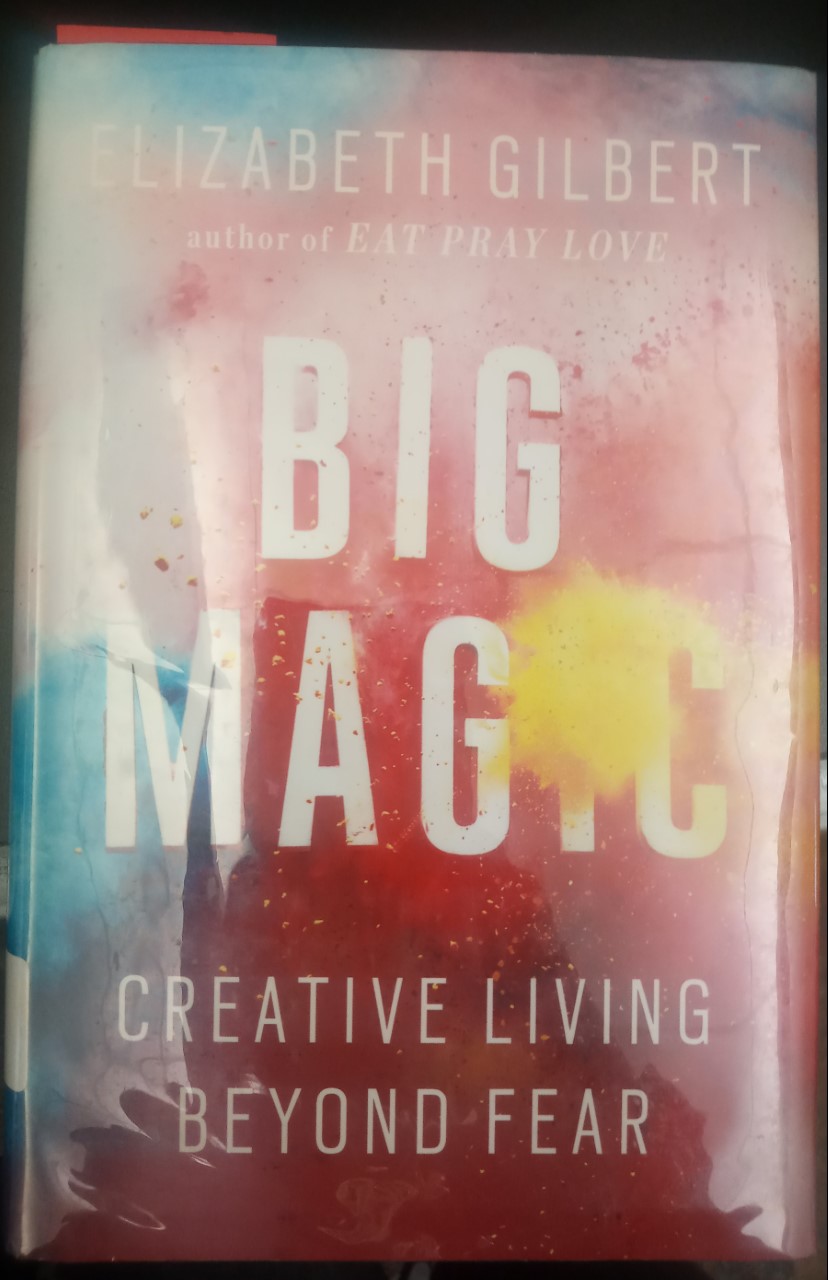
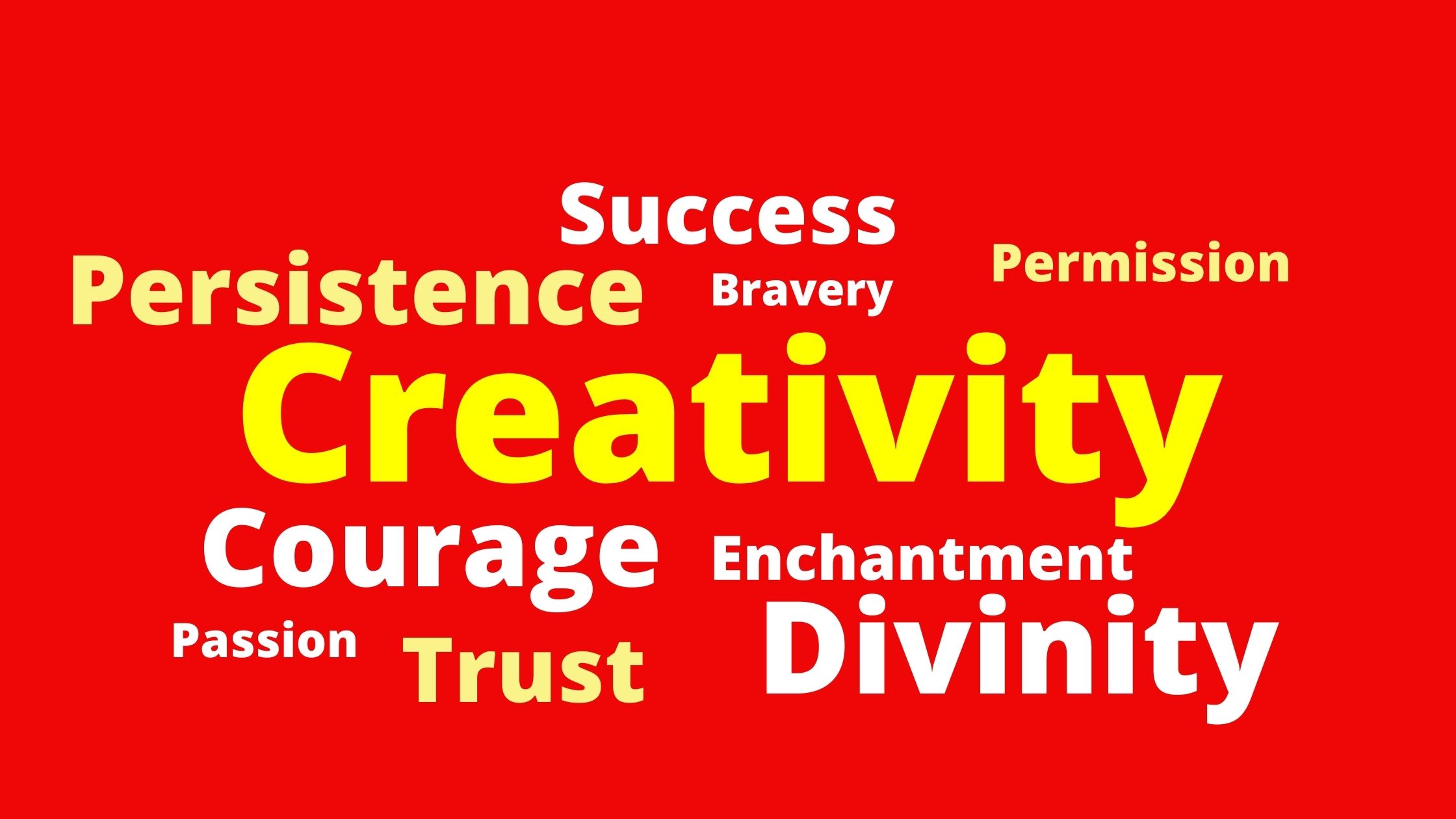
Gilbert is the author of the book Eat Pray Love, the story of a woman’s journey of personal and spiritual self-discovery. Big Magic is a little different. It offers insight into the things which inspire us to be creative, and ways to conquer the things that hold us back from reaching our most creative potential. The book is divided into six parts: Courage, Enchantment, Permission, Persistence, Trust and Divinity. Courage contains a list of the fears many creative people share, such as fearing you have no talent, or the fear that your work won’t be taken seriously. There’s an entire list of these I won’t post here, but the list is definitely worth noting. Gilbert also talks about Creative Entitlement, which simply means you are allowed to have a voice and a vision of your own.
My favorite section is Permission, because it discusses why you as a creative person, do not need anyone’s permission to be creative. Your education will continue for as long as you want it to, even beyond the classrooms of whatever school you’re attending or attended. Your teachers aren’t just the people standing at the head of the class; they’re the books on the shelves of your library, they’re the experiences you have in your life.
Gilbert feels you need to fall in love with your creativity. You can’t treat your creativity like an old, unhappy marriage. See it as a passionate lover; one you actually want to spend time with. Try not to think of your work as your “baby”, because then you’ll form an attachment that won’t allow you to make changes to it when necessary.
Lastly, Gilbert reminds us we’re going to fail. Everything you try will not be successful, but you just need to forgive yourself for failing, and move on.
There is plenty of other noteworthy info in this book, which is why I recommend reading it in it’s entirety. I’m sure everyone will find a story or a bit of advice that applies to them. Happy writing, everyone.

