
September 21, 2001: that’s the day I began writing the original Fortune’s Wing: the book that would turn into a three book series, and create a five-book spinoff, Haverdy O. I had graduated from high school a little over a year earlier and had more time on my hands to get my writing done. I had written many books prior to Fortune’s Wing—Fortune’s Wing was my 33rd book. This was one of my first books to include a fully thought out plot and human characters, and be a possible candidate for publication.
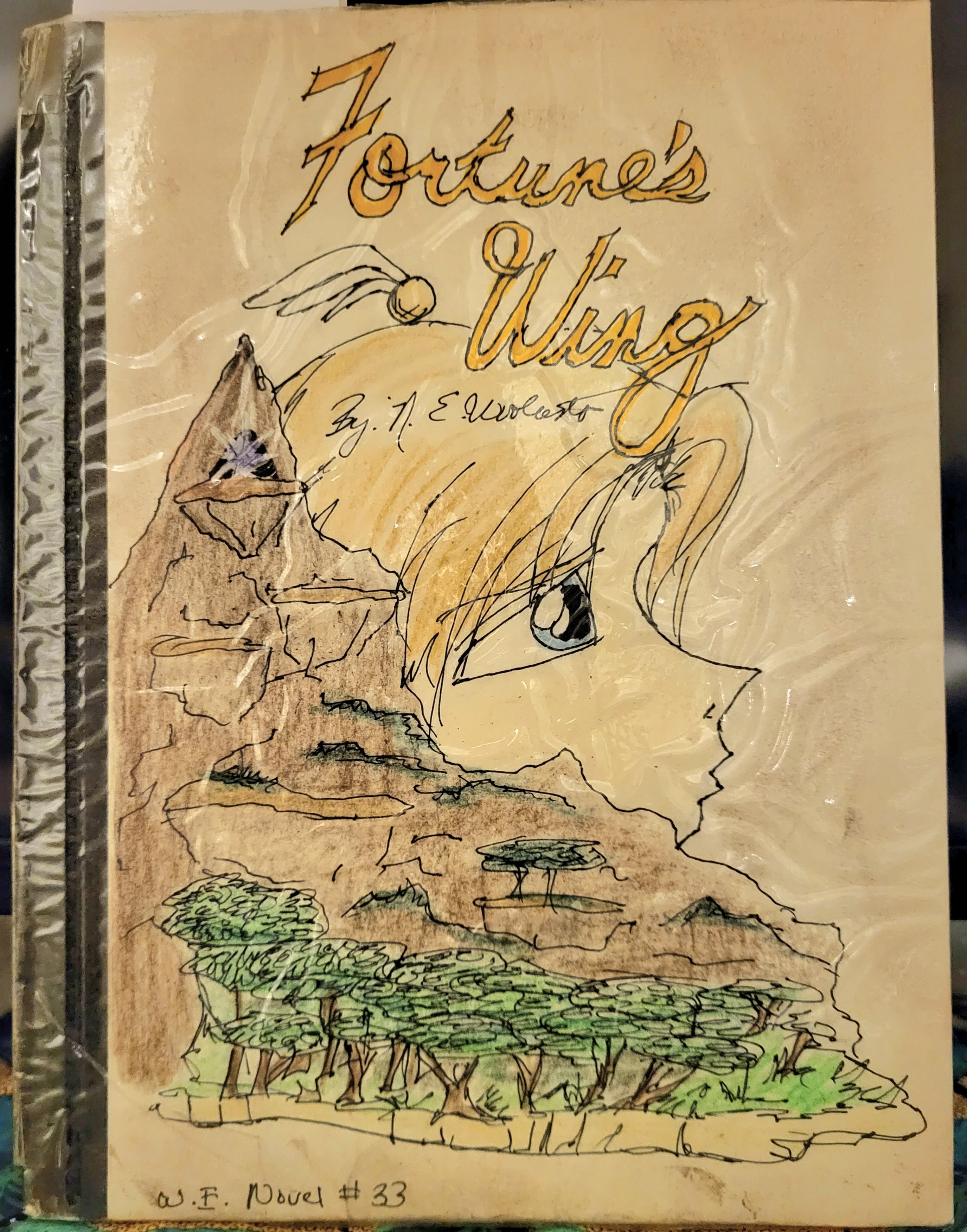
Publishing didn’t come easily for me. I asked several questions but received very few answers. I wrote query letters to literary agents, but was repeatedly turned down. So I put the idea of publishing on hold. It wasn’t until 2009 that I went back to publishing again, only this time I decided to give self-publishing a try. After searching online I found a company called Xlibris Publishing. hey were a little pricey but I had a pretty good income at the time and could afford a publishing package with them. By May 27, 2009 I had a physical copy of my first published book in my hand.
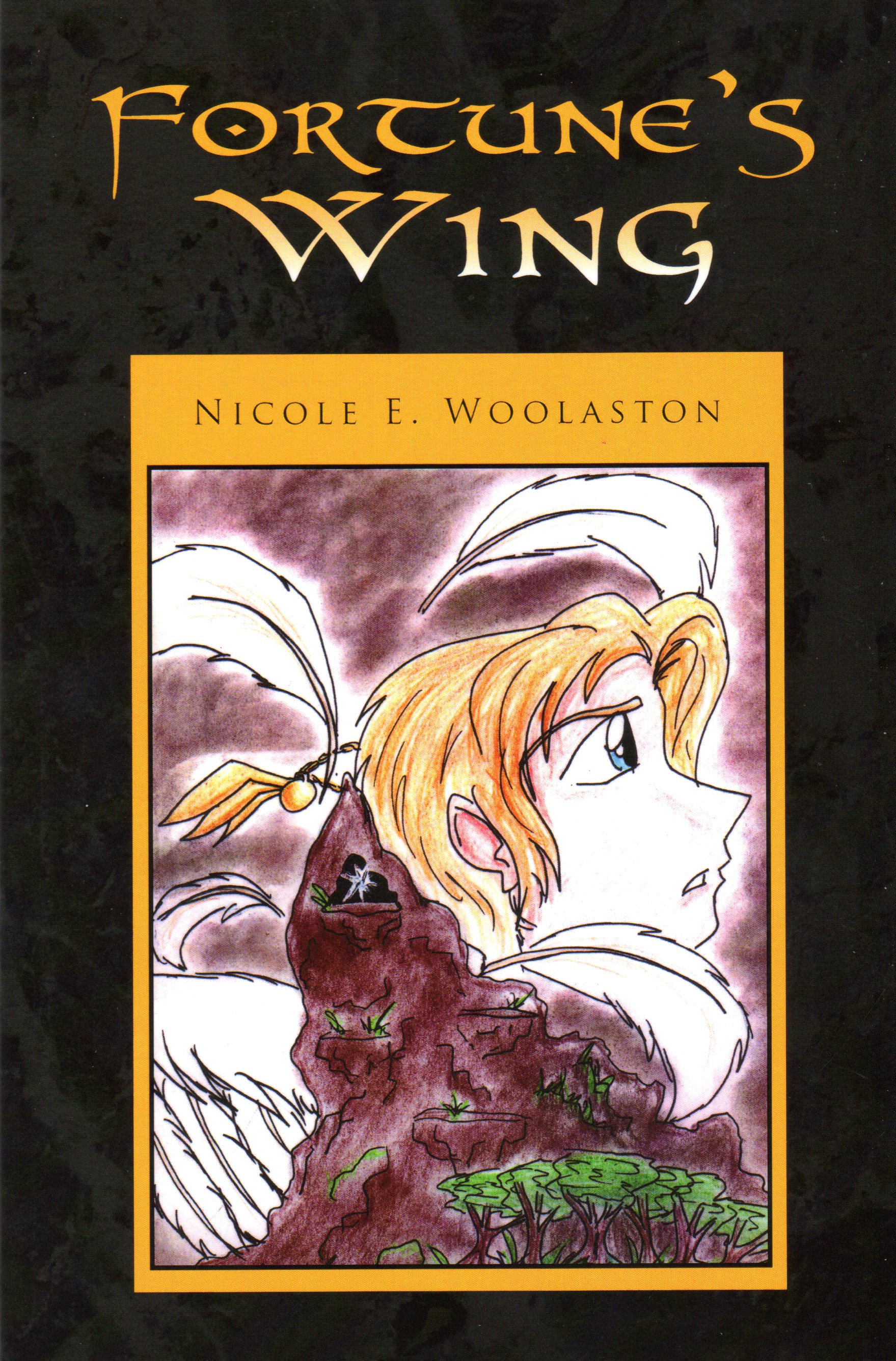
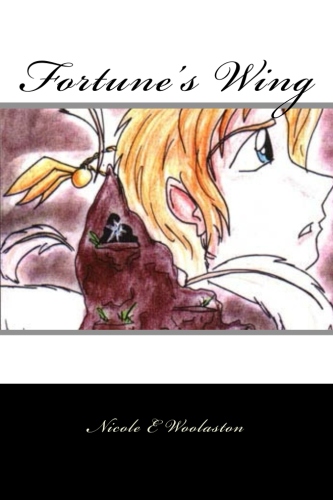
The Fortune’s Wing you know, is not the same Fortune’s Wing I wrote back in 2001. Fortune’s Wing was born from my admiration of Japanese anime, particularly Sailor Moon. I envisioned the story as an animated series and I even began drawing a comic book version. I later decided to write the story instead, because I could write the story faster than I could draw it. The premise is the same: Fortune Oyama grows a single wing on his eighteenth birthday and learns he’s part of a prophecy to either save or destroy the world. The differences are minor. A character’s name was altered: Narumi in the current version was called Nirogetai or “Niro” for short in the original version. I added chapters to the current version in order to extend the story. I redrew the image on the cover and added some feathers from Fortune’s wing (FYI: the light shinning from the cave on the cover was accomplished with a White Out pen. The background on both covers is actually eye shadow, used for a smokey effect).
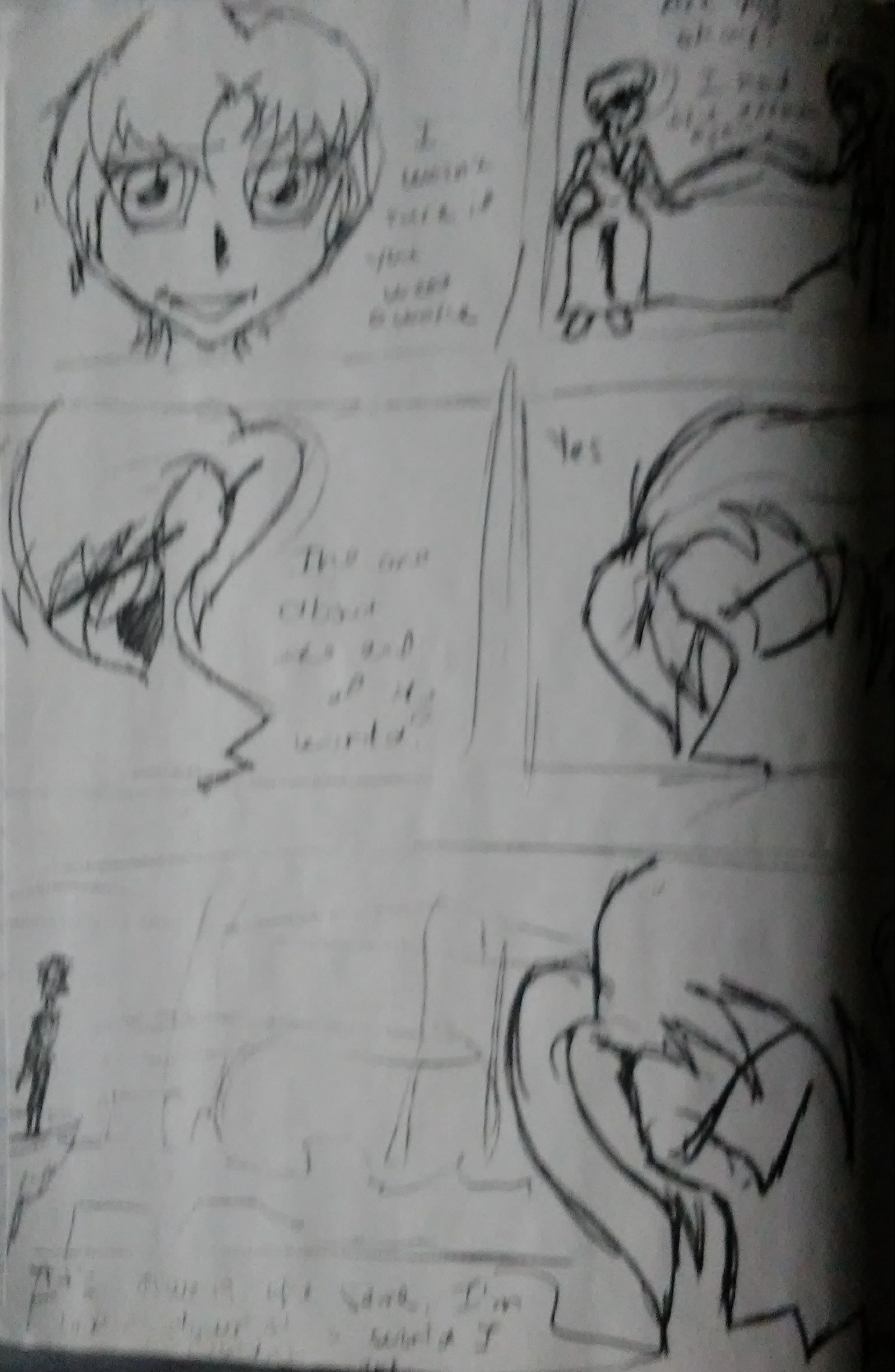
Narumi’s original name, Nirogetai comes from two sources. I always liked the name Niro, and getai is Chinese for “song stage”. It’s a form of entertainment involving live performances of song, music and dance. Getai is mainly staged during the Hungry Ghost Festival to entertain both the living and the dead. With Narumi/Nirogetai being psychic, this seems fitting.
The endings are slightly different. In the original version Fortune and his friends are met by Adam, the elderly man who informed Fortune of his destiny. In the published version Fortune and his friends return to their homes. Both versions end with Fortune wondering what the fate of the world will be with it resting in his hands.
The second and third books in the series also differ from one another, between the original and published versions. There is also a fourth book, Fortune’s Wing: After, where Fortune and company reflect on the outcome of their journey as they begin to get back to living normal lives. The fourth book was never published. I also began working on Fortune’s Wing: Revamp , which would have been a more graphic version of the story, suitable for adult readers. It too, is unpublished.
To this day I’m pleased with the changes I made prior to publishing Fortune’s Wing. I’d still like to publish Revamp. I’ll cover the second and third book in the series in another post.

