Most of us are familiar with a “sequel”: a body of work that continues the story from a previous body of work. But what about the story before the story? Enter the “prequel”: the insight into events that have already occurred.
Prequels give us a peek behind the curtain. They are stories which focus on the events that occurred in a previous work, taking place before the original story. Think of them as “backstories”. They fill in the gaps in a character’s past or a particular event. The number one question behind prequels is, are they necessary? If readers have read the preceding story, they already know the outcome. They already know who is going to live and who is going to die. So, who cares?
Here’s the tricky part: when you write a prequel, you have to assume your reader is already familiar with the preceding work.
A good prequel should do the following:
- expand a familiar story
- make the reader care
- build on what the reader already knows
- tell a good story
There are two kinds of prequels: prequels written by the author of the original work, and prequels written by authors who admired the original work so much, they wanted to create a backstory. An example of the first is Skagboys by Irvine Welsh, which serves as a prequel to his book, Trainspotting. While Trainspotting follows a group of junkies, Skagboys reflects on their lives before drugs completely take over.

If you’re familiar with Charlotte Bronte’s Jane Eyre, you know something about the story. Jane Eyre is unable to marry her true love, Mr. Rochester because of his wife Bertha Mason, an insane woman who lives in the attic of his mansion, hidden away from the natural world. There is a prequel to this story: Wide Sargasso Sea by Jean Rhys. Rhys uses her story to focus on Bertha’s childhood, her marriage to Mr. Rochester and her descent into madness.

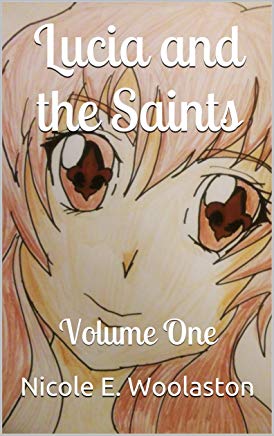
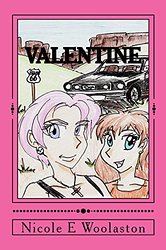
If you decide write a prequel to one of your stories, what should you focus on? An event? A character? My recommendation is to focus on a character or event that was of great importance to the story, but little information was provided. If your story has a villain, focus on how that character became a villain. If your characters happen upon an abandoned town, maybe you can tell the story of how the town came to be abandoned. In my series, Valentine, Val Entienne’s father Vincent works for John Rafferty, a mob boss. He is the most hated character in the entire series (i.e., the villain). In the prequel, Lucia and the Saints, Rafferty’s rise to power is explored, along with backstories for other characters featured in Valentine.
Bustle has a wonderful list of prequels to famous books you may want to check out: https://www.bustle.com/p/7-prequels-to-famous-books-you-probably-didnt-know-existed-46709

