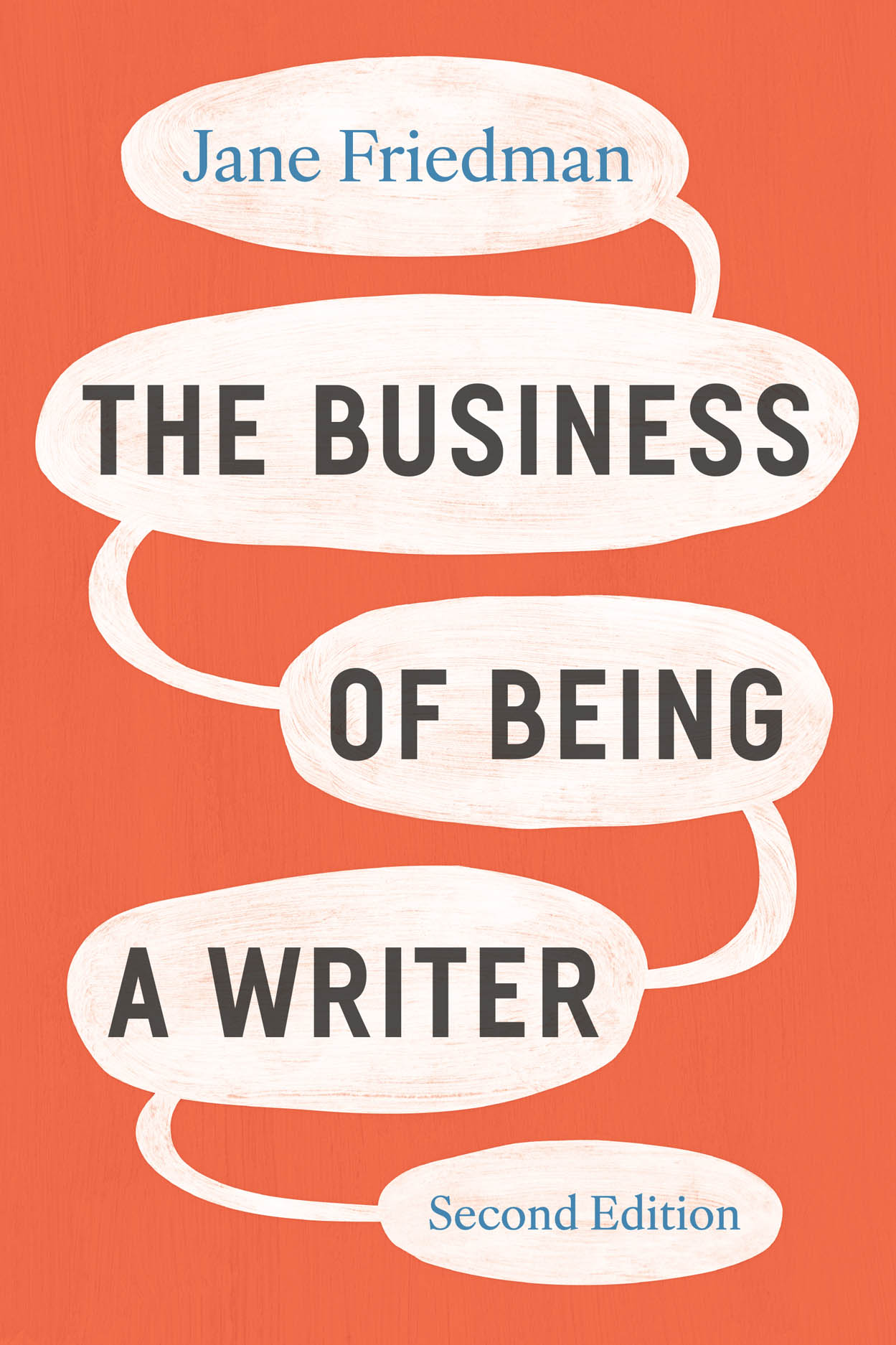
I started reading Jane Friedman’s The Business Of Being A Writer yesterday afternoon. Friedman is an expert in the publishing industry and often advises writers on how to build their platform, publishing strategies and how to maintain the mindset one needs in order to be a writer. The copy I’m reading is the second edition. I’m on the second chapter which is titled, “It’s Not About Talent”. Here she quotes Stephen King’s view on talent, saying that it’s like table salt: “cheap and abundant”. Every writer has their own way of measuring both talent and success. Some feel if their work is overlooked, it must mean they don’t have any talent, which isn’t always the case. This leads to self doubt, which can lead to many writers giving up on their writing. Friedman concludes you have to like what you do. If you can find joy in writing simply for the sake of writing, then I would say that makes you successful.
But, if you want to take it a step further, consider this: WHY are you writing? Are you writing simply because you enjoy it, or are you trying to sell your work? Is your goal to become wealthy or famous? My original goal was to get published, and I achieved that goal seventeen years ago. Now, it’s all about storytelling. I write because I want to; because I enjoy it. Maybe one of these days I’ll make some money off it—I’ve sold a few books in my time. But for me its more important to publish my work and make it available.
Friedman also talks about unproductive thought patterns in this chapter. Writers worry they are too old or too young. Young writers think they won’t be taken seriously and older writers think it’s too late for them to start. Some writers fall into the trap of thinking “I’ll start writing when I do that other thing” or “I’ll wait until my kids move out” or “I’ll start writing after I leave this job”. Others wait for inspiration to come to them instead of seeking it out. Then there’s the dreaded comparison: using other writers as a standard you feel you need to meet. I don’t compare myself to other writers. I don’t need to be like other writers—I just need to be myself, as lame as that may sound.
If you set some realistic goals for yourself and meet them, consider yourself successful. Decide what it is you really want to accomplish with your writing, and go for it. There’s nothing holding you back.

