Hello, good readers, writers and fellow creatives. The middle of Novel November is approaching, and hopefully you’ve made some progress in your writing. I’ve actually managed to write a few chapters for Louder!, so I’m happy about that. As we approach the end of our manuscripts there is something that needs to be considered: the ending. How will you end your story? Some writers like to give their readers a clean, solid ending, so they know what happened to the characters and whether or not they reached a solution to their problem(s). Other writers prefer a cliffhanger; an ending that leaves everything up in the air. Did the characters ever make it to Chicago? Did the hero finally manage to save the day? What happened?!
Here’s the thing about cliffhangers: you can pull them off, but I think you have to be smart about it. If you’re planning to write a sequel or better yet, a series, then a cliffhanger isn’t a terrible idea. You can always pick up the story in the next book. But what if there isn’t going to be a sequel or a series? What if this is the only book? Do you really want to leave your readers hanging?
Cliffhanger: a plot device or situation that leaves a narrative, contest, or real-life event unresolved at a critical, suspenseful moment
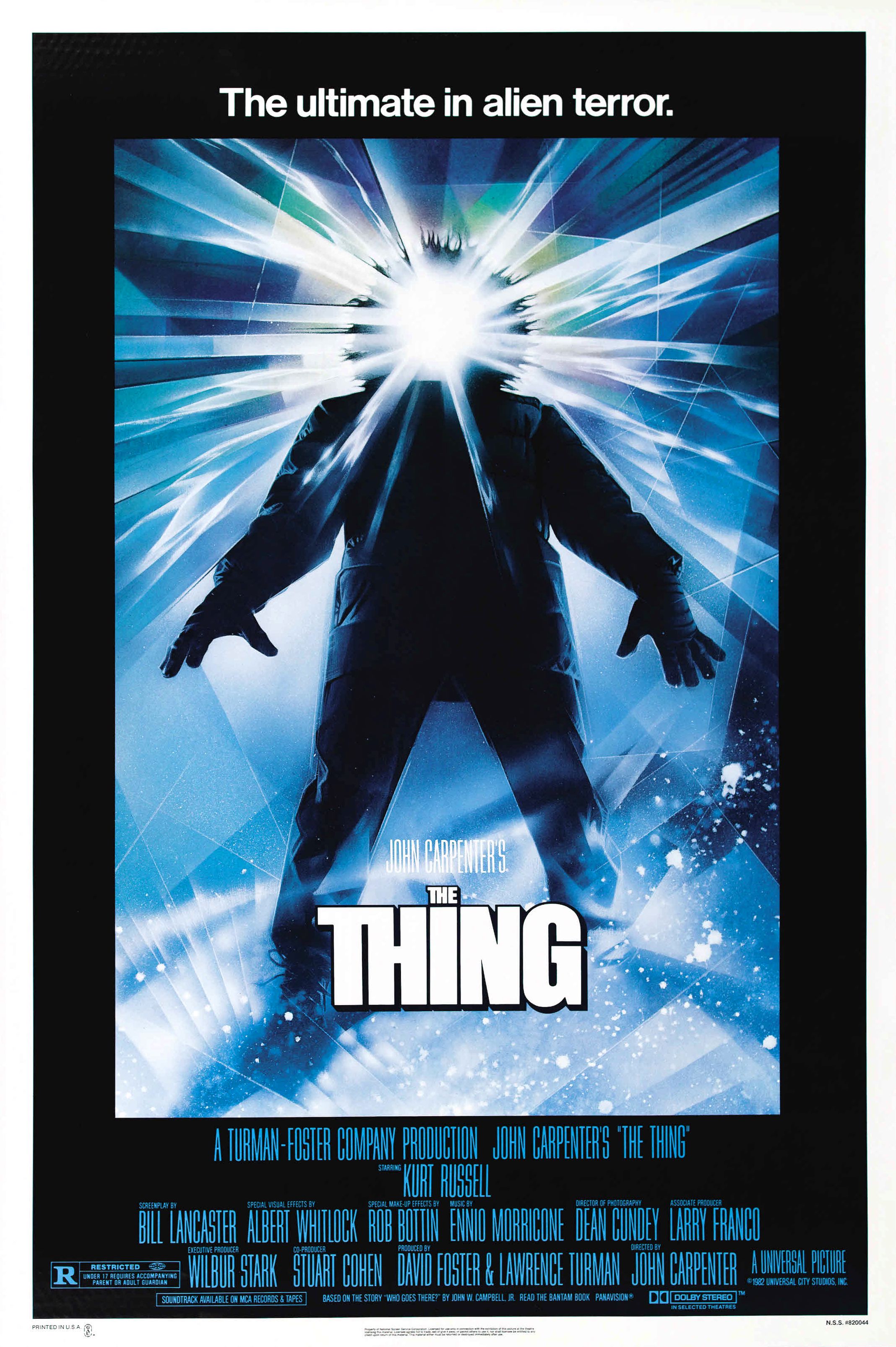
One of my favorite cliffhangers comes from the movie The Thing. If you’ve never seen it, spoiler alert: of all the characters only two survive, and the ending of the movie leaves the viewer with one question: exactly which one of the two is The Thing? There is literally an online debate that has been running for years over who it is. This is the sort of cliffhanger ending that can allow the viewer to draw their own conclusion. In this case I kinda like that. Some people believe one thing while other people have an entirely different theory.
If you’re going to end with a cliffhanger and you have no plans to write a sequel, my advice is not to make to cliffhanger too dramatic. If you’re thinking, “Well, my readers can make up their own minds about what happened”, that’s just a lazy way out to avoid giving your readers an ending. If your readers have managed to hang in with your book from the beginning to the middle, they deserve an ending. They deserve some sort of resolution. Maybe you don’t need to tie up every loose end of your story, but you should give your readers enough of an ending to satisfy both them and the story.
Enjoy your day, and keep writing. And if you’ve never seen John Carpenter’s The Thing, I suggest you watch it. It’s one of my personal favorites.

